
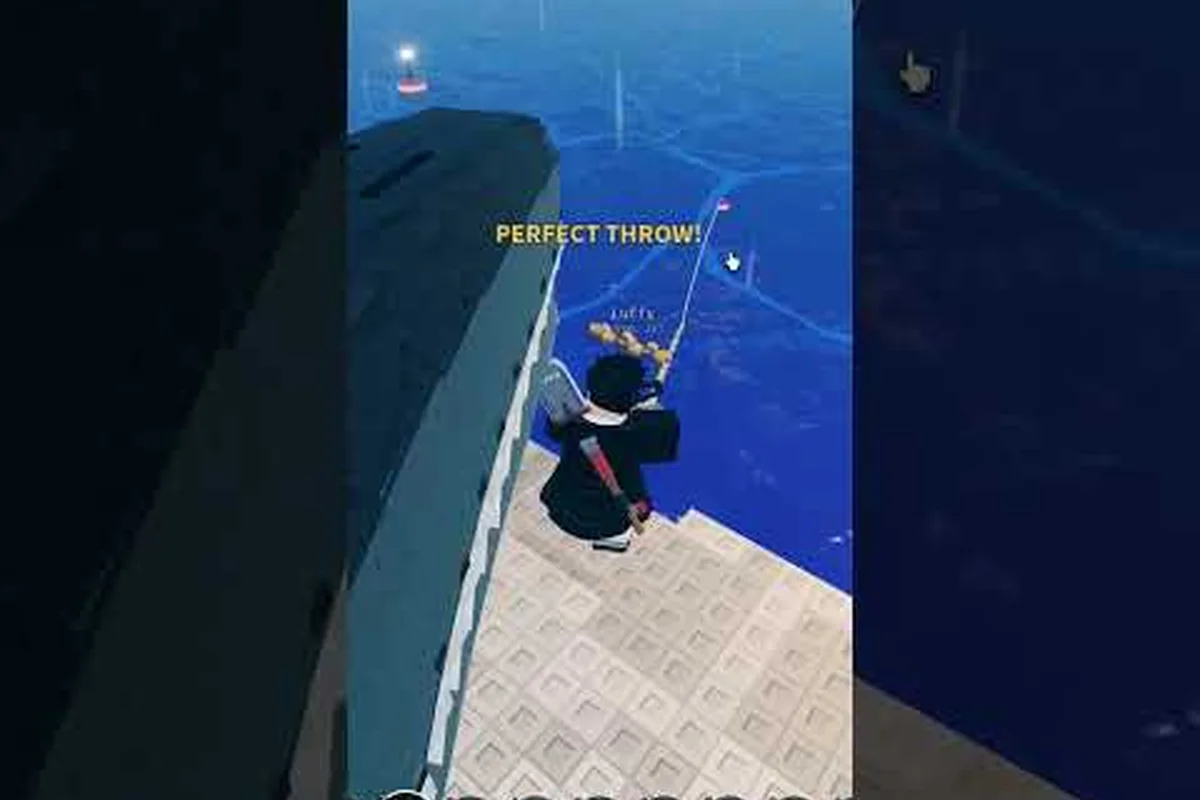
Tracking down a prehistoric farm pufferfish is one of the more frustrating early ocean goals in Prehistoric Farm, because the fish only appears in specific underwater pockets that many players sail right past during their first boat upgrades. The catch matters beyond collection value: pufferfish pulls grant a solid chunk of fishing XP, and the same dive routes that hold pufferfish also put you on the path toward larger sea-reptile targets. Understanding exactly where to drop anchor and which bait to load saves hours of blind casting across the open water, which is why this guide breaks down every confirmed spawn pocket, the bait combinations that trigger bites, and how the XP return compares to other rare catches like the mosasaurus.
Pufferfish Spawn Logic and Dive Spot Requirements
The prehistoric farm pufferfish does not roam the surface like common catches. It sits inside designated underwater zones that only become accessible once you own a boat capable of reaching deeper water and have unlocked the diving mechanic through the ocean progression track. According to community testing reported by players, the pufferfish shares its spawn table with a handful of other rare underwater targets, which means you will often see the same dive spots produce multiple fish types across different casts.
Confirmed Dive Spots for Pufferfish
Players have mapped several reliable locations where the prehistoric farm pufferfish appears with higher frequency, and the pattern is consistent: these spawns hug rocky underwater shelves and reef edges rather than open sand flats, so positioning matters more than raw distance from shore. The underlying cause appears to be tied to the pufferfish's collision-avoidance pathing — it drifts along hard geometry where terrain funnels its idle swim loop into a tighter patrol area, which shortens the time between surface intervals and makes the fish easier to spot. For example, anglers who anchor just above the Sunken Grotto Entrance and cast toward the cave mouth's left rock pillar report roughly one pufferfish per three dive cycles, while drifting even 20 meters onto the adjacent sand flat drops that rate to near zero despite staying within the same minimap grid.
| Dive Spot Name | Approx. Location | Pufferfish Frequency | Other Common Spawns |
|---|---|---|---|
| Sunken Grotto Entrance | East of the main dock, near the cave mouth | High | Sea reptile eggs, rare fish |
| Reef Shelf Pocket | South reef, 40-60m depth band | Medium-High | Clownfish, angelfish |
| Kelp Forest Edge | Northwest underwater ridge | Medium | Sardines, mackerel |
| Abyssal Drop-off | Far north, past the trench marker | Low-Medium | Deep-sea catches, mosasaurus bait fish |
The Sunken Grotto Entrance stands out as the most consistent prehistoric farm pufferfish location because the area already functions as a hub for underwater progression. You will likely pass through it while working on sea-reptile egg hunts, which makes it an efficient dual-purpose stop. The Reef Shelf Pocket is a strong second choice for players who have not yet unlocked the grotto route, since it sits closer to the starting dock and requires less boat range.
Bait Combinations That Trigger Pufferfish Bites
Bait selection changes the bite rate dramatically, and the underlying mechanic is a simple weighted roll against the prehistoric farm underwater encounter table. The prehistoric farm pufferfish responds best to mid-tier bait rather than the cheapest starter option: Standard Worms roll the pufferfish entry at roughly half the weight of Shrimp Mix, meaning you burn twice as many casts for the same number of targeted bites while also eating more trash-bite interruptions. Some players report that premium bait actually over-triggers larger predators instead — Squid Chunks and Premium Blend both raise the prehistoric farm mosasaurus spawn weight on the same table, so the extra pufferfish uptime is cancelled out by longer reels and forced repositioning when a predator locks onto your line.
| Bait Type | Pufferfish Bite Rate | Cost per Cast | Notes |
|---|---|---|---|
| Standard Worms | Low | Cheap | Works, but slow; many trash bites |
| Shrimp Mix | Medium | Moderate | Best balance for early divers |
| Squid Chunks | High | Expensive | Also attracts mosasaurus attention |
| Premium Blend | Medium | Very Expensive | Overkill; predator interference |
Shrimp Mix is the community-recommended sweet spot for targeting the prehistoric farm pufferfish specifically. It keeps the bite rate high enough to feel productive while avoiding the predator interference that comes with Squid Chunks. If you are also farming fishing XP passively, Squid Chunks can work, but be prepared to deal with larger catches that take longer to reel in.
How Pufferfish Compares to Other Rare Underwater Targets
The prehistoric farm pufferfish sits in an awkward middle tier of ocean rewards. It is rarer than common fish but far more common than sea-reptile eggs or mosasaurus encounters, which makes it a useful stepping stone for players building toward bigger underwater goals. Understanding where it fits in the reward hierarchy helps you decide whether to target it actively or just pick it up while pursuing other objectives.
Fishing XP Return Comparison
Fishing XP is the main reason most players bother with the prehistoric farm pufferfish at all. The catch grants a noticeable XP bump compared to surface fishing, though it falls well short of boss-tier rewards. Each pufferfish bite lands between 60–85 XP, roughly triple the 15–25 XP from common surface catches, which makes it one of the strongest solo-friendly XP loops in the early ocean game. The trade-off is the 1–3 minute bite window and moderate difficulty, meaning you are trading raw speed for consistency — a worthwhile deal when the Mosasaurus Encounter demands co-op coordination and a 5–10 minute fight for its 200+ XP payout.
| Catch Type | Fishing XP per Catch | Difficulty | Time Investment |
|---|---|---|---|
| Common Surface Fish | 15-25 XP | Very Easy | Seconds |
| Pufferfish | 60-85 XP | Moderate | 1-3 minutes per bite |
| Rare Reef Fish | 40-60 XP | Easy-Moderate | Under 1 minute |
| Mosasaurus Encounter | 200+ XP | Hard | 5-10 minutes, co-op recommended |
The prehistoric farm pufferfish delivers roughly triple the fishing XP of common surface catches, which makes it one of the better solo-friendly XP sources in the early ocean game. The Mosasaurus Encounter pays out far more, but it demands co-op coordination and a much longer fight, so pufferfish remains the practical choice for solo players who want steady XP without raid-level commitment.
Underwater Collection Value
Beyond XP, the prehistoric farm pufferfish fills a collection slot that some players miss entirely because they never dive in the right depth band. The underwater collection track rewards completion with cosmetic unlocks and small permanent bonuses, so skipping pufferfish means leaving a gap in that progression line. Players who focus only on the mosasaurus raid often realize later that they missed several mid-tier underwater catches, including pufferfish, that would have completed collection milestones much earlier.
Efficient Pufferfish Farming Routes
Farming the prehistoric farm pufferfish efficiently comes down to route planning rather than raw luck. Because the fish shares spawn tables with other underwater targets, you can build a loop that hits multiple dive spots in sequence, maximizing both pufferfish chances and incidental catches that pad your fishing XP total.
Solo Route: Reef Shelf to Sunken Grotto
For solo players, a two-stop loop between the Reef Shelf Pocket and the Sunken Grotto Entrance produces the best pufferfish-per-hour rate without requiring co-op support. Start at the reef shelf, cast with Shrimp Mix until you land a pufferfish or exhaust the pocket's spawn window, then sail to the grotto entrance and repeat. The travel time between these two spots is short enough that you can complete three to four full loops in a single play session.
Co-op Route: Split Coverage for Faster Spawn Cycling
When playing with a partner, split the dive spots so one player covers the Kelp Forest Edge while the other works the Sunken Grotto Entrance. This approach cycles spawn windows faster because each player triggers independent bite rolls, and you can call out when a pufferfish appears so the other player can reposition. The prehistoric farm co op boss content, particularly the mosasaurus raid, benefits from this same split-coverage mindset, so practicing coordinated dive routes builds habits that transfer directly to harder ocean content.
Timing and Spawn Window Notes
Community data suggests that pufferfish spawn windows rotate on a timer rather than respawning instantly after each catch. If you clear a dive spot and see no pufferfish bites for several minutes, sail to the next spot and return later rather than burning bait in an empty pocket. This rotation mechanic is why the two-stop loop outperforms camping a single location, even when that location has a high base frequency.
Pufferfish, Diving, and the Mosasaurus Connection
The prehistoric farm pufferfish shares more than just a spawn region with the mosasaurus. Both targets live in the same underwater progression track, and the diving mechanics you practice while hunting pufferfish translate directly to the skills needed for mosasaurus encounters. Understanding this connection helps you sequence your ocean progression efficiently.
Diving Mechanics That Matter for Both Targets
Diving in Prehistoric Farm requires managing oxygen, positioning, and bait selection simultaneously. The prehistoric farm diving system rewards players who learn to read underwater terrain cues, because fish cluster around specific structures rather than distributing evenly across the seafloor. The same reef edges and cave mouths that hold pufferfish also serve as approach routes for mosasaurus baiting, so every pufferfish run doubles as diving practice for harder content.
When to Transition from Pufferfish to Mosasaurus
Most players should treat the prehistoric farm pufferfish as a mid-game stepping stone rather than an end goal. Once you have collected enough pufferfish to complete the relevant collection milestone and banked a comfortable fishing XP cushion, shift your focus toward the mosasaurus raid. The Prehistoric Farm ocean guide covers the full progression from early diving to raid-ready loadouts, including where the mosasaurus spawns and what gear you need before attempting the fight.
Frequently Asked Questions
Where is the best prehistoric farm pufferfish location?
The Sunken Grotto Entrance east of the main dock is the most consistent prehistoric farm pufferfish location, with the Reef Shelf Pocket as a strong secondary spot. Both areas sit in the 40-60 meter depth band and require the diving mechanic unlocked before pufferfish will appear on your bite table.
What bait should I use for pufferfish?
Shrimp Mix is the community-recommended bait for targeting pufferfish specifically. It balances bite rate against cost and avoids the predator interference that comes with Squid Chunks. Standard worms work but produce many trash bites, while premium blend over-triggers larger catches.
How much fishing XP does a pufferfish give?
A prehistoric farm pufferfish grants roughly 60-85 fishing XP per catch, which is about triple the return from common surface fish. This makes it one of the best solo-friendly XP sources in the early ocean game, though the Mosasaurus Encounter pays out 200+ XP for players ready for co-op raids.
Do I need a co-op partner to catch pufferfish?
No, the prehistoric farm pufferfish is fully soloable. Co-op split coverage can speed up spawn cycling across multiple dive spots, but a solo player running the two-stop loop between the Reef Shelf Pocket and Sunken Grotto Entrance can farm pufferfish effectively without any partner support.
Is pufferfish required for ocean progression?
Pufferfish fills a collection slot in the underwater track and provides useful fishing XP, but it is not a hard gate for reaching mosasaurus content. You can skip it and still access raids, though you will miss collection milestone rewards and lose a steady solo XP source during the mid-game ocean phase.