
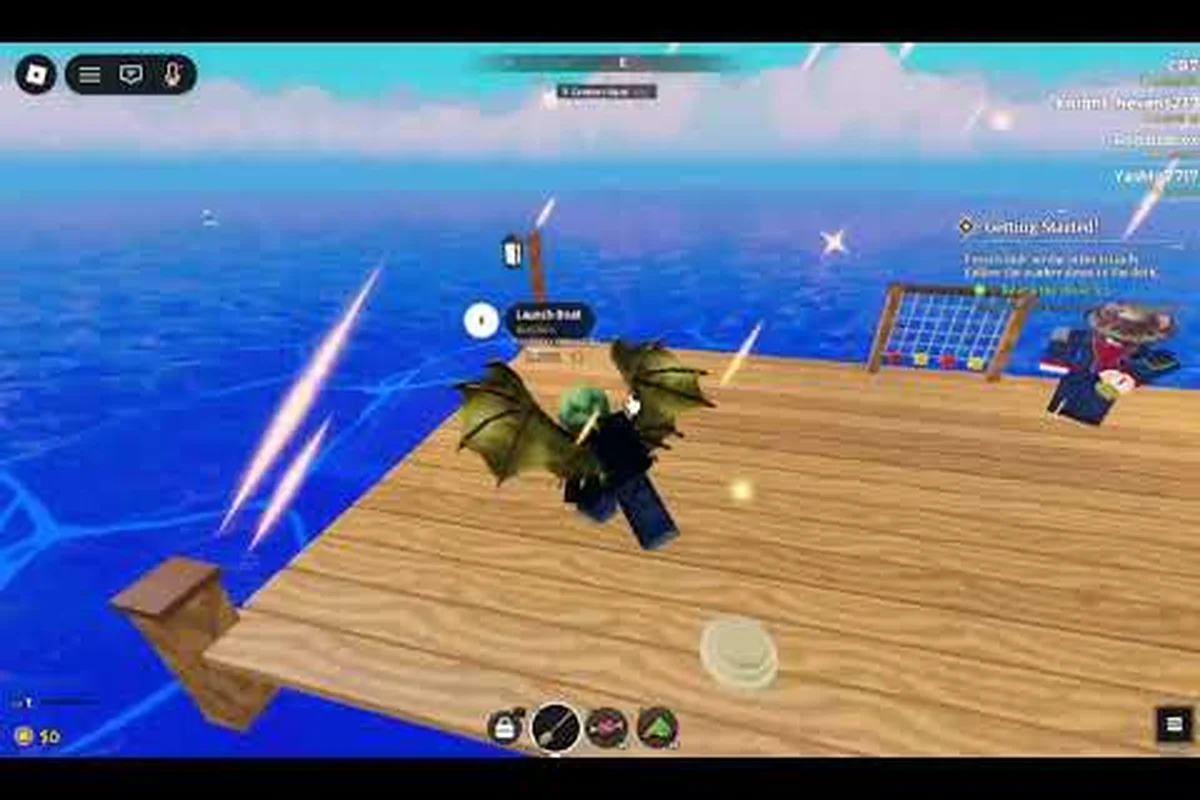
Getting a rare hatch in Prehistoric Farm is the fastest way to skip the fossil grind and add a high-value dinosaur to your island. The core loop looks simple—dig fossils, craft eggs at Dr. Ivy's DNA Lab, incubate, and hatch—but the gap between a common Newborn and a rare Elder comes down to which egg sources you prioritize and how you time your incubator. This guide breaks down the exact egg code flow, Diplodocus egg rewards, and incubation windows that experienced breeders use to avoid wasted hours.
Understanding the Rare Hatch Pipeline
The journey from a pile of fossils to a rare hatch runs through three fixed stations: the dig sites, Dr. Ivy's DNA Lab, and your incubator. Each station has a hidden efficiency gate that determines whether you end up with a common hatch or something worth raising to Elder. The official Prehistoric Farm game page describes the full loop as digging up fossils on wild islands, turning complete fossil sets into eggs, and hatching them in the incubator—but the rare-hatch path requires more than just completing sets.
A rare hatch in Prehistoric Farm typically comes from one of three sources: a full fossil set for a high-tier species, a redeemed egg code, or a quest reward egg like the Diplodocus egg. The difference between these sources is not just rarity—it is also predictability. Fossil-set eggs depend on your dig luck and shovel tier, while code eggs are guaranteed if you redeem them correctly, and quest eggs sit somewhere in between because they require completing a specific objective chain.
| Egg Source | Rarity Potential | Predictability | Best For |
|---|---|---|---|
| Full Fossil Set | Common to Legendary | Low—depends on dig RNG | Long-term breeders |
| Egg Code Redemption | Guaranteed specific species | High—fixed reward | Quick rare unlocks |
| Quest Reward Egg | Rare to Legendary | Medium—objective-gated | Targeted rare hatches |
| Incubator Random Roll | Common to Rare | Medium—luck-based | Passive hatching |
The key insight is that egg codes and quest reward eggs bypass the fossil RNG entirely. If your goal is a specific rare hatch, you should treat fossil digging as a supplement, not the primary engine. Community data from October 2026 suggests that players who focus on code redemption and quest eggs unlock their first rare hatch roughly twice as fast as those who rely on random fossil sets alone.
Redeeming Prehistoric Farm Dino Egg Codes
Egg codes are the most direct answer to how to get a rare hatch in Prehistoric Farm, but they come with a hard prerequisite that many new players miss. You must join the official Project Mirvy Roblox group before the game will accept any code redemption. The Project Mirvy group page confirms this requirement, and the group has grown to about 108,000 members as of October 2026, which tells you how many players have already locked in this step.
Once you are in the group, the redemption flow is straightforward. Open the game menu, find the codes section, and enter the active egg code exactly as written. Codes are case-sensitive, and a single typo will silently fail—the game does not always show an error message. Players report that copying codes directly from the official group announcements or verified community videos is the safest approach.
Active Code Sources and Verification
Because codes rotate with updates and events, you need a reliable source. The official Project Mirvy group announcements are the primary channel, but community walkthroughs like the Prehistoric Farm guide by SpaceQT and the beginner guide by MineBlox often compile active codes with timestamps. These videos are useful for verifying that a code is still live before you spend time testing it.
A common breeding mistake is hoarding codes instead of redeeming them immediately. Prehistoric Farm codes expire without warning, and a code that worked last week may be dead today. The safe pattern is to redeem every new code the moment you see it, even if the egg species is not your current target. A guaranteed egg is always worth more than a code that expires in your notes.
Diplodocus Egg Hatch and Quest Rewards
The Diplodocus egg is one of the most reliable rare hatches available to mid-game players because it comes from a structured quest reward rather than random fossil luck. To get the Diplodocus egg, you need to complete the associated quest chain, which typically involves digging a specific fossil set or reaching a certain progression milestone. The exact requirements can shift with updates, so checking the current quest log before committing your time is essential.
Once you have the Diplodocus egg, the hatch itself follows the standard incubation rules, but the payoff is significant. The Diplodocus is a large herbivore with strong growth potential, and hatching it early gives you a long-term partner dinosaur that can carry you through later island content. The Prehistoric Farm hatching guide covers the full incubation and raising loop if you want to optimize the post-hatch phase.
Quest Egg vs. Code Egg: Which Comes First
The order in which you pursue rare egg sources matters more than most players realize. Code eggs are instant but limited by availability, while quest eggs like the Diplodocus reward require active play but are always available once you meet the requirements. A balanced approach is to redeem every active code first, then work on the Diplodocus quest chain while your incubator processes the code eggs.
| Priority | Action | Time Investment | Rare Hatch Potential |
|---|---|---|---|
| 1 | Join Project Mirvy group | 2 minutes | Unlocks all code eggs |
| 2 | Redeem all active egg codes | 5 minutes | Guaranteed species eggs |
| 3 | Start Diplodocus quest chain | 1-3 hours | Rare Diplodocus egg |
| 4 | Dig fossil sets for DNA Lab | Ongoing | Random rarity eggs |
| 5 | Incubate and hatch | Varies by species | Final rare hatch |
The sequence above is not just about efficiency—it is about avoiding the breeding mistake of spending hours on fossil RNG before you have claimed the guaranteed eggs sitting in your code menu. Every hour you spend digging before redeeming codes is an hour of rare-hatch progress you left on the table.
Egg Incubation Time and Timing Strategy
Prehistoric Farm egg incubation time varies by species and egg rarity, and understanding these windows is critical for planning your play sessions. Common eggs hatch quickly, often within a few minutes, while rare and legendary eggs can take significantly longer. The incubator runs in real time, so a long incubation timer means you either wait or find other activities to fill the gap.
The smart play is to stagger your incubations. Start a long rare egg incubation before you log off or before you head out to dig fossils, so the timer ticks down while you are doing something else. If you start a Diplodocus egg and then immediately sit at the incubator waiting, you are wasting the exact time you could be using to dig the next fossil set or complete a quest objective.
Incubation Timing Reference
The exact incubation times are not published in a single official table, but community testing has produced reliable ranges that align with the egg rarity tiers shown below. For example, a Rare egg typically falls in the 30–90 minute window, which means starting one right before a 45-minute quest or a short logout lets the timer finish without any active babysitting. These numbers may shift with updates, so treat them as planning guides rather than fixed values.
| Egg Rarity | Typical Incubation Window | Best Time to Start |
|---|---|---|
| Common | 2-10 minutes | Anytime, short wait |
| Uncommon | 10-30 minutes | Before a short dig session |
| Rare | 30-90 minutes | Before logging off or long quest |
| Legendary | 2-6 hours | Overnight or before extended break |
The incubation timing strategy is simple: never start a rare egg when you plan to actively play for the next hour. Instead, start it before a natural break, then return to a finished hatch. This pattern keeps your incubator running at full capacity without forcing you to idle.
Avoiding Common Prehistoric Farm Breeding Mistakes
Most failed rare-hatch attempts trace back to a small set of repeatable mistakes. The first is not joining the Project Mirvy group before trying to redeem codes. This single oversight blocks every code egg in the game, and because the failure is silent, players often assume the code itself is expired. The fix takes two minutes and permanently unlocks the code system.
The second mistake is ignoring the green-zone dig meter. The official game page mentions that the dig meter rewards timed releases, and players who ignore this mechanic get fewer fossil pieces per dig. Fewer pieces means slower fossil-set completion, which means fewer eggs overall. Learning to release on the green zone is a foundational skill for any breeder who wants consistent rare hatches.
The third mistake is hatching eggs without a feeding plan. A dinosaur only keeps growing while its belly stays over half full, so a rare hatch that goes hungry immediately after hatching wastes its growth potential. Before you start a rare incubation, make sure you have enough food stockpiled to keep the newborn fed through its early growth stages.
Breeding Mistake Checklist
-
Group membership: Join Project Mirvy before attempting any code redemption.
-
Dig meter timing: Release on the green zone to maximize fossil pieces per dig.
-
Food stockpile: Have food ready before the rare hatch emerges.
-
Incubator idle time: Never leave the incubator empty when you have eggs waiting.
-
Code expiry: Redeem codes immediately instead of saving them for later.
The Prehistoric Farm breeding guide goes deeper into the full egg-to-Elder pipeline if you want to optimize beyond the rare-hatch stage. For now, fixing these five mistakes will eliminate most of the friction that keeps players stuck on common hatches.
Rare Hatch Value and Long-Term Planning
Not every rare hatch is worth the same investment, and knowing which species to prioritize can save you dozens of hours. The Diplodocus is a strong early rare target because of its size and utility as a rideable partner dinosaur. Other rare species may have higher combat or collection value, but the Diplodocus offers immediate practical benefits for island traversal and later content access.
Your long-term breeding plan should focus on diversifying your egg sources rather than grinding a single fossil set. Code eggs give you guaranteed species, quest eggs give you targeted rare hatches, and fossil sets fill in the gaps with random rolls. The Prehistoric Farm hatch rates guide breaks down the probability side of this equation if you want to understand the underlying numbers.
The rare hatch you get today is not the end of the journey—it is the start of a raising pipeline that takes a Newborn all the way to Elder. Each stage requires food, time, and attention, but the payoff is a dinosaur that can carry you through the game's later islands and ocean content. Starting with a guaranteed rare hatch from a code or quest egg gives you a head start that fossil RNG alone cannot match.
Frequently Asked Questions
How do I get a rare hatch in Prehistoric Farm?
The fastest path is to join the Project Mirvy group, redeem all active egg codes, then complete the Diplodocus quest chain for a guaranteed rare egg. Fossil-set eggs can also produce rare hatches, but they rely on dig luck and take longer on average.
Do Prehistoric Farm dino egg codes expire?
Yes, codes expire without warning and are often tied to updates or events. Redeem every code immediately after you see it announced in the official Project Mirvy group or verified community videos. Saving codes for later risks losing them entirely.
How long does a Diplodocus egg take to hatch?
Community testing across the Project Mirvy group suggests rare eggs like the Diplodocus typically take between 30 and 90 minutes of real-time incubation, though fossil-set eggs can run shorter or longer depending on the dig rarity tier. Start the incubation before a break or logging off so the timer runs while you are away from the game — the incubation clock continues even when you are offline, so you can return to a fully hatched Diplodocus instead of idling at your farm.
What is the most common breeding mistake in Prehistoric Farm?
The most common mistake is not joining the Project Mirvy group before trying to redeem codes. The game silently rejects code redemptions for non-members, which makes players think the code is expired when it is actually still active. This happens because Prehistoric Farm validates your group membership status against the Roblox API before applying any egg code, and the rejection message is identical to the one shown for genuinely expired codes. To avoid burning a valid code, always confirm the Project Mirvy group badge appears on your profile, then rejoin a fresh server before redeeming — some players report that joining mid-session does not update the membership cache until the next server hop.
Can I hatch a rare egg without using codes?
Yes, quest reward eggs like the Diplodocus egg and random fossil-set eggs can both produce rare hatches. Codes are the fastest method, but they are not the only path. Focus on the Diplodocus quest chain if you want a guaranteed rare hatch without relying on code availability.